AI-Powered Business Transformation: A Practical Implementation Guide
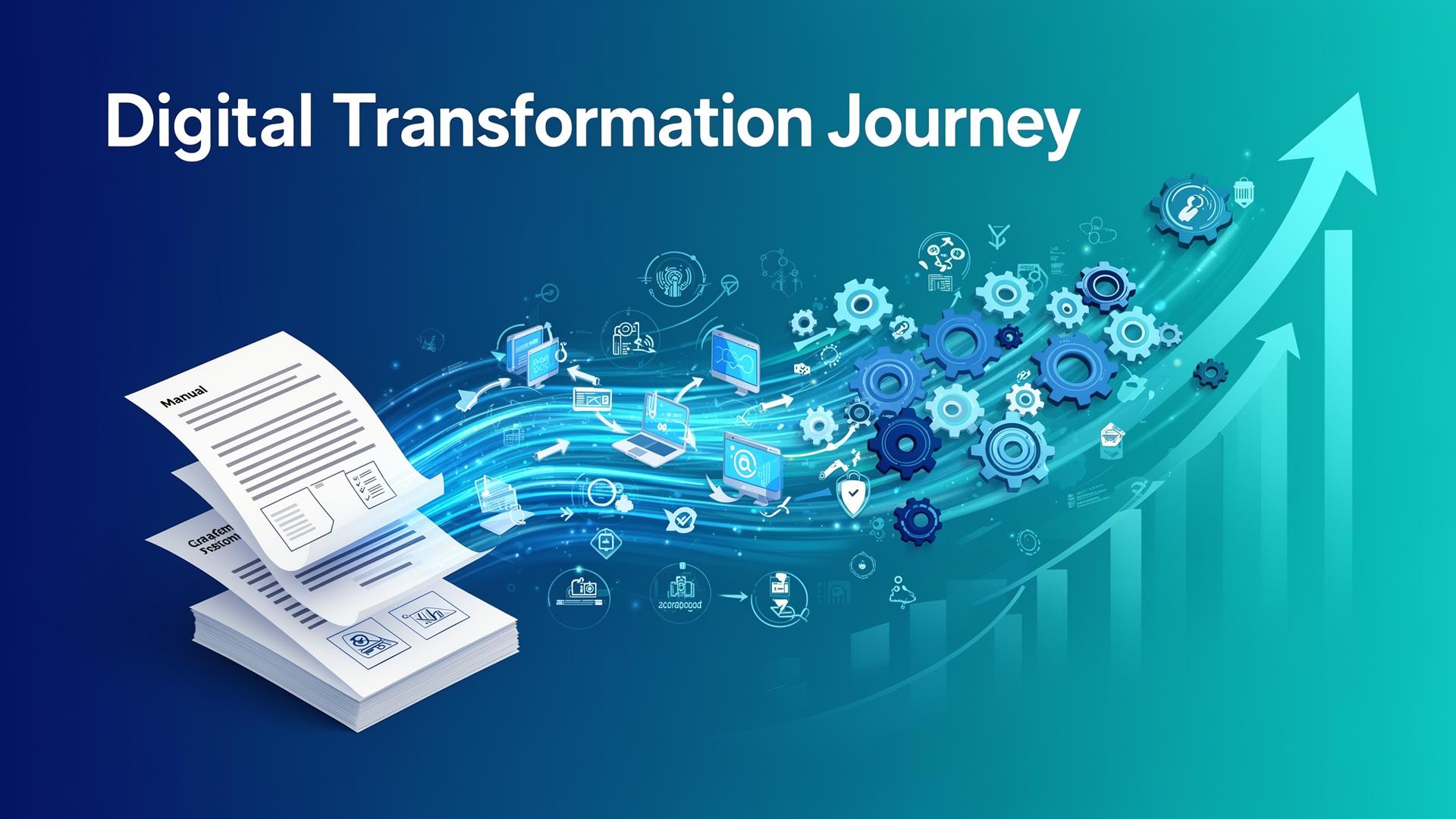
Artificial intelligence is no longer a futuristic concept—it's a present-day imperative for organizations looking to compete in rapidly evolving markets. This guide provides a practical roadmap for implementing AI across your organization to drive measurable business outcomes.
The AI Transformation Opportunity
Organizations implementing AI effectively are seeing remarkable results:
- 40-60% reduction in operational costs
- 25-35% improvement in customer satisfaction
- 50%+ increase in employee productivity
- 3-5x faster time-to-insight for decision making
Yet many organizations struggle to move beyond pilots to production-scale AI. This guide addresses that challenge head-on.
Understanding AI Implementation Maturity
Stage 1: Experimentation
- Exploring AI capabilities
- Running isolated pilots
- Building internal awareness
- Identifying potential use cases
Stage 2: Strategic Adoption
- Prioritized use case portfolio
- Dedicated AI/ML resources
- Data infrastructure investment
- Governance frameworks emerging
Stage 3: Scaling
- Production-ready AI systems
- Cross-functional integration
- Measurable business impact
- Continuous improvement cycles
Stage 4: Transformation
- AI embedded in core processes
- Data-driven culture established
- Competitive differentiation achieved
- Innovation engine operational
Step 1: Assessing AI Readiness
Before diving into implementation, honestly assess your organization's readiness.
Data Readiness
Questions to ask:
- Is your data centralized and accessible?
- What's the quality of your existing data?
- Do you have historical data for model training?
- Are there data governance policies in place?
Scoring (1-5):
- 1-2: Significant data infrastructure work needed
- 3: Foundation exists but improvements required
- 4-5: Strong data foundation ready for AI
Technology Readiness
Questions to ask:
- What cloud infrastructure exists?
- Do you have APIs for system integration?
- What analytics capabilities are in place?
- Is there capacity for AI compute workloads?
Organizational Readiness
Questions to ask:
- Is leadership committed to AI investment?
- What AI/ML talent exists internally?
- Is there openness to process change?
- Are cross-functional teams possible?
Step 2: Identifying High-Impact Use Cases
Not all AI projects deliver equal value. Focus on opportunities that combine:
Business Impact Potential
- Revenue enhancement opportunities
- Cost reduction potential
- Customer experience improvements
- Risk mitigation value
Feasibility Factors
- Data availability
- Technical complexity
- Integration requirements
- Time to value
Top AI Use Cases by Function
Marketing and Sales:
- Predictive lead scoring
- Customer segmentation
- Personalized recommendations
- Churn prediction
- Dynamic pricing optimization
Operations:
- Demand forecasting
- Inventory optimization
- Quality control automation
- Predictive maintenance
- Process automation
Customer Service:
- Intelligent chatbots
- Sentiment analysis
- Ticket routing and prioritization
- Self-service optimization
- Voice analytics
Finance:
- Fraud detection
- Credit risk assessment
- Invoice processing automation
- Financial forecasting
- Anomaly detection
Human Resources:
- Resume screening
- Employee attrition prediction
- Learning personalization
- Workforce planning
Step 3: Building the AI Foundation
Data Infrastructure
Essential Components:
- Data Lake/Warehouse: Centralized storage for structured and unstructured data
- Data Integration Pipelines: ETL/ELT processes for data movement
- Data Quality Tools: Cleansing, validation, and monitoring
- Metadata Management: Data cataloging and lineage tracking
AI/ML Platform
Key Capabilities:
- Model development environment
- Training infrastructure (GPU/TPU access)
- Model versioning and management
- Deployment and serving infrastructure
- Monitoring and observability
Integration Layer
Requirements:
- API gateway for service connectivity
- Event streaming for real-time data
- Workflow orchestration
- Security and access management
Step 4: Implementation Methodology
Phase 1: Discovery and Planning (Weeks 1-4)
Activities:
- Stakeholder interviews
- Current state assessment
- Use case prioritization
- Success metrics definition
- Resource and timeline planning
Deliverables:
- AI opportunity roadmap
- Prioritized use case backlog
- Implementation plan
- Budget and resource requirements
Phase 2: Proof of Concept (Weeks 5-10)
Activities:
- Data preparation and exploration
- Model development and training
- Initial testing and validation
- Stakeholder demos and feedback
Deliverables:
- Working prototype
- Model performance metrics
- Technical architecture design
- Revised business case
Phase 3: Pilot Production (Weeks 11-16)
Activities:
- Production infrastructure setup
- Model deployment
- Integration with existing systems
- User training and adoption
- Performance monitoring
Deliverables:
- Production-ready system
- Operational documentation
- Training materials
- Performance dashboards
Phase 4: Scale and Optimize (Ongoing)
Activities:
- Usage expansion
- Model retraining and improvement
- Additional use case rollout
- Continuous optimization
Deliverables:
- Scaling playbook
- Performance benchmarks
- Lessons learned documentation
- Next phase planning
Step 5: Building AI Capabilities
Team Structure Options
Centralized AI Center of Excellence:
- Dedicated AI team serving the organization
- Consistent standards and practices
- Efficient resource utilization
- Risk of disconnect from business units
Embedded AI Teams:
- AI specialists within business units
- Close alignment with business needs
- Faster iteration cycles
- Risk of duplicated efforts
Hybrid Model (Recommended):
- Core platform team centralized
- Applied AI specialists embedded
- Shared services and governance
- Best of both approaches
Essential Roles
- AI/ML Engineers: Build and deploy models
- Data Engineers: Prepare and manage data pipelines
- Data Scientists: Develop and validate models
- MLOps Engineers: Manage production AI systems
- Product Managers: Align AI with business objectives
- Business Analysts: Define requirements and measure impact
Step 6: Governance and Ethics
AI Governance Framework
Policy Components:
- Data usage and privacy guidelines
- Model approval and review processes
- Risk assessment criteria
- Ethical use principles
- Regulatory compliance requirements
Responsible AI Practices
Bias Prevention:
- Diverse training data
- Regular bias audits
- Inclusive design reviews
- Fairness metrics monitoring
Transparency:
- Model explainability requirements
- Decision audit trails
- User disclosure when AI is used
- Documentation standards
Accountability:
- Clear ownership for AI systems
- Escalation procedures
- Regular review cycles
- Incident response plans
Step 7: Measuring ROI
Key Performance Indicators
Business Metrics:
- Revenue impact (attributed)
- Cost savings achieved
- Efficiency improvements
- Customer satisfaction changes
- Risk reduction value
Technical Metrics:
- Model accuracy and performance
- System reliability and uptime
- Processing speed and latency
- Data quality scores
Adoption Metrics:
- User engagement rates
- Feature utilization
- Training completion
- Feedback sentiment
ROI Calculation Framework
Investment:
- Technology infrastructure
- Personnel costs
- Training and change management
- External services and tools
Returns:
- Direct revenue impact
- Cost avoidance/reduction
- Productivity gains
- Risk mitigation value
Common Implementation Challenges
Challenge 1: Data Quality Issues
Solution:
- Invest in data quality tooling
- Establish data governance early
- Start with available data, improve iteratively
- Don't let perfect be the enemy of good
Challenge 2: Talent Shortage
Solution:
- Upskill existing employees
- Partner with external experts
- Use managed AI services where appropriate
- Build relationships with universities
Challenge 3: Organizational Resistance
Solution:
- Start with quick wins
- Involve stakeholders early
- Communicate benefits clearly
- Address job security concerns honestly
Challenge 4: Unrealistic Expectations
Solution:
- Educate leadership on AI capabilities and limitations
- Set realistic timelines
- Celebrate incremental progress
- Manage scope creep aggressively
Conclusion
AI transformation is a journey, not a destination. Organizations that approach it systematically—building strong foundations, focusing on high-impact use cases, and investing in people and governance—will realize the greatest benefits.
The key is to start. Begin with a focused pilot, prove value, and expand systematically. The organizations waiting for perfect conditions will find themselves left behind.
Ready to start your AI transformation journey? Our team can help you assess opportunities and build a practical roadmap for success.