Understanding AI Ethics in Marketing and Lead Generation
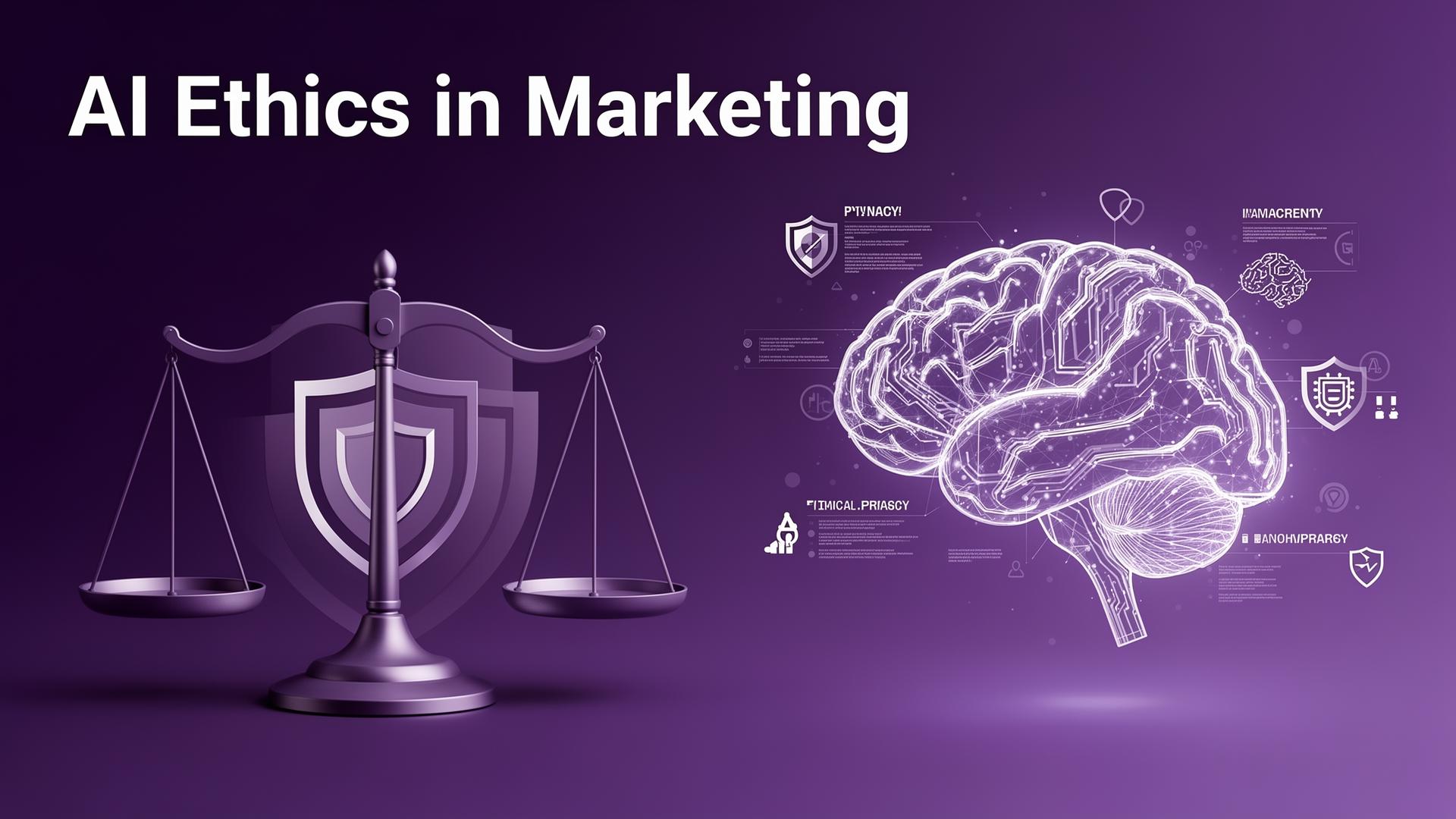
As artificial intelligence becomes increasingly integrated into marketing and lead generation strategies, organizations must grapple with important ethical considerations. This guide explores the key ethical principles and best practices for responsible AI implementation.
The Importance of AI Ethics
AI systems can process vast amounts of personal data and make decisions that significantly impact individuals. Without proper ethical guardrails, these systems can perpetuate biases, violate privacy, or manipulate users in harmful ways.
Key Ethical Principles
1. Transparency
Organizations should be clear about:
- When AI is being used to interact with or evaluate prospects
- What data is being collected and how it's used
- How decisions are made by AI systems
2. Privacy Protection
Respecting user privacy means:
- Collecting only necessary data
- Securing data with appropriate safeguards
- Providing clear opt-out mechanisms
- Complying with regulations like GDPR and CCPA
3. Fairness and Non-Discrimination
AI systems must be designed to:
- Avoid perpetuating historical biases
- Provide equal treatment across demographic groups
- Regular audits for discriminatory outcomes
4. Human Oversight
While AI can automate many processes, critical decisions should:
- Include human review and judgment
- Allow for appeals and corrections
- Maintain accountability structures
5. Data Security
Protecting prospect and customer data requires:
- Robust encryption and security measures
- Regular security audits
- Incident response plans
- Third-party vendor oversight
Best Practices for Ethical AI Marketing
Start with Clear Policies
Document your organization's AI ethics principles and ensure all team members understand them.
Conduct Regular Audits
Review AI systems periodically for:
- Bias in outcomes
- Privacy compliance
- Data security
- User experience impact
Implement Consent Management
Ensure users have clear, granular control over:
- What data is collected
- How data is used
- Who data is shared with
Prioritize Explainability
Design AI systems that can explain their decisions in human-understandable terms.
Build Diverse Teams
Diverse perspectives help identify potential ethical issues and design more inclusive systems.
The Business Case for AI Ethics
Beyond moral imperatives, ethical AI practices offer business benefits:
- Trust Building: Transparent, ethical practices build customer trust
- Risk Mitigation: Reduce legal and reputational risks
- Better Outcomes: Fairer systems often perform better overall
- Competitive Advantage: Ethics-first approach differentiates your brand
Looking Forward
As AI technology evolves, ethical considerations will become increasingly important. Organizations that prioritize ethical AI implementation today will be better positioned for tomorrow's challenges.
At our core, we believe that technology should empower organizations to do more good in the world. That's why we integrate ethical considerations into every solution we build.
Want to learn more about implementing ethical AI in your organization? Contact us for a consultation.