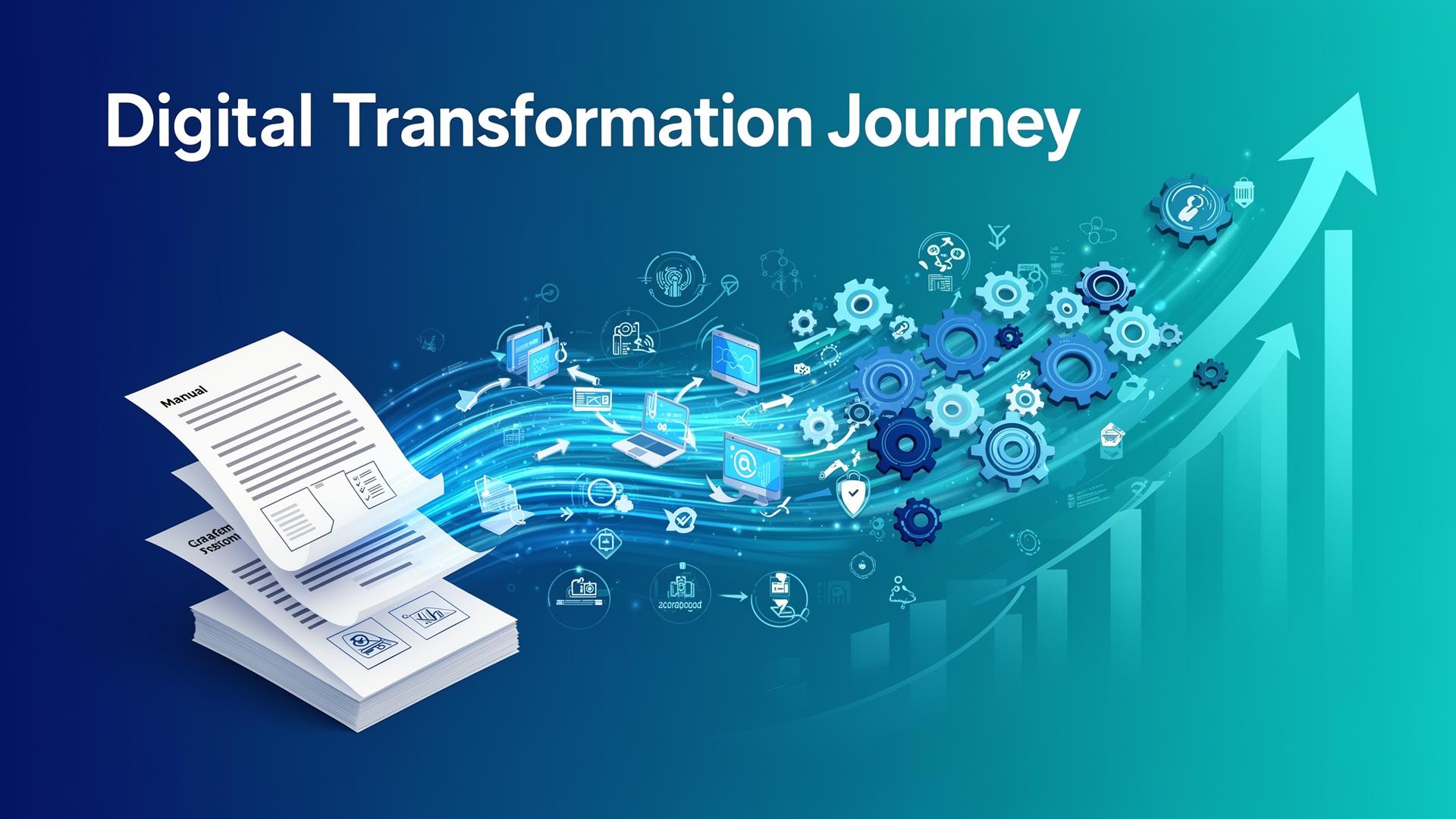
From Manual to Automated: A Digital Transformation Journey
When TechForward Solutions approached us in 2023, they were drowning in manual processes. Today, they're a model of operational efficiency. Here's their transformation story.
The Starting Point
TechForward is a B2B SaaS company with 50 employees. Despite their tech-focused product, their internal operations were surprisingly manual:
- Lead tracking in spreadsheets
- Manual email follow-ups
- No integration between marketing and sales tools
- Paper-based approval processes
- Disconnected customer data
This created several problems:
- Leads slipping through the cracks
- Inconsistent customer experiences
- Wasted time on repetitive tasks
- Limited insight into business performance
- Slow decision-making
The Transformation Strategy
Phase 1: Assessment and Planning (Month 1)
We conducted a comprehensive audit of their processes, identifying:
- Bottlenecks and inefficiencies
- Data silos and integration opportunities
- Quick wins and long-term initiatives
- Change management requirements
Phase 2: Foundation Building (Months 2-3)
- Implemented integrated CRM system
- Established single source of truth for customer data
- Created automated lead capture and routing
- Set up basic analytics and reporting
Phase 3: Automation Implementation (Months 4-6)
- Built automated lead nurture campaigns
- Implemented workflow automation for approvals
- Created triggered communications based on customer actions
- Integrated marketing and sales platforms
Phase 4: AI Enhancement (Months 7-9)
- Deployed AI-powered lead scoring
- Implemented predictive analytics
- Added chatbot for initial lead qualification
- Created personalization engine for content
Phase 5: Optimization (Months 10-12)
- Continuous A/B testing
- Refinement based on data insights
- Team training and adoption initiatives
- Process documentation
The Results
After 12 months of transformation:
Efficiency Gains
- 75% reduction in time spent on manual tasks
- 60% faster lead response times
- 80% automation of routine processes
Revenue Impact
- 200% increase in qualified leads
- 150% improvement in conversion rates
- 40% increase in average deal size
- 180% growth in revenue
Cost Savings
- 50% reduction in operational costs
- 30% decrease in customer acquisition cost
- Eliminated need for 3 additional hires
Team Impact
- 90% employee satisfaction with new tools
- More time for strategic work
- Better work-life balance
- Clearer visibility into performance
Key Success Factors
1. Leadership Commitment
The CEO championed the transformation, ensuring resources and support.
2. Phased Approach
Rather than trying to change everything at once, we took measured steps.
3. Change Management
We invested in training and communication to ensure adoption.
4. Data-Driven Decisions
Every change was measured and validated with data.
5. Continuous Improvement
We treated transformation as an ongoing journey, not a destination.
Lessons Learned
Start with Why: Clearly articulate the business case for transformation
Get Buy-In: Involve stakeholders early and often
Choose the Right Tools: Technology should fit your needs, not the other way around
Plan for People: The best systems fail without user adoption
Measure Everything: You can't improve what you don't measure
Your Turn
Digital transformation isn't just for large enterprises. Organizations of any size can benefit from strategic automation and AI implementation.
The question isn't whether to transform—it's how quickly you can get started.
Ready to begin your transformation journey? Let's talk about what's possible for your organization.